• +01 123 456 789
  • info@sssoils.com

Our Products

Products

Rapeseed Meal / Mustard De-Oiled Cake (DOC)

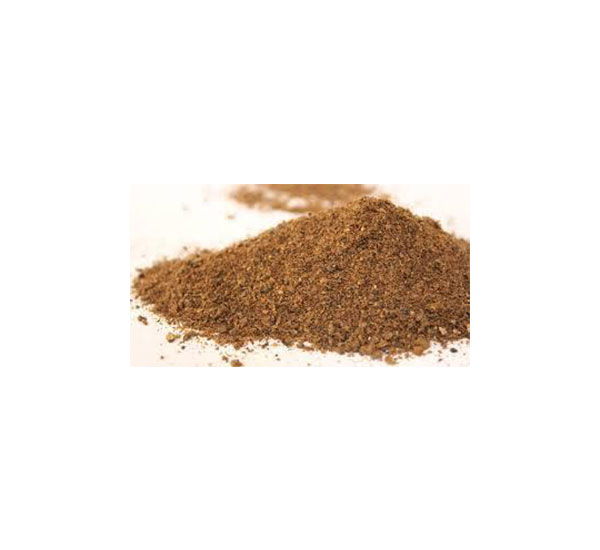
Rapeseed meal is a high protein-containing material that can be used as a feed for livestock and poultry. Typical meal contains around 38% of protein; however it also contains about 12% crude fiber and glucosinolates.

Solvent-Extracted Rapeseed Meal - Process

Rapeseeds contain 40-45% oil and yield about 55-60% oil meal when fully extracted by crushing followed by solvent extraction. The main steps of this process are seed cleaning, seed pre-conditioning, rolling and flaking, seed cooking and pressing to mechanically remove a portion of the oil, solvent extraction (hexane) of the press-cake to remove the remainder of the oil, desolventizing and toasting. Temperature is one of the main factors affecting the quality of rapeseed meal. Solvent-extracted rapeseed meal should not contain more than 2-3% oil.
Soybean De Oiled Cake (DOC)

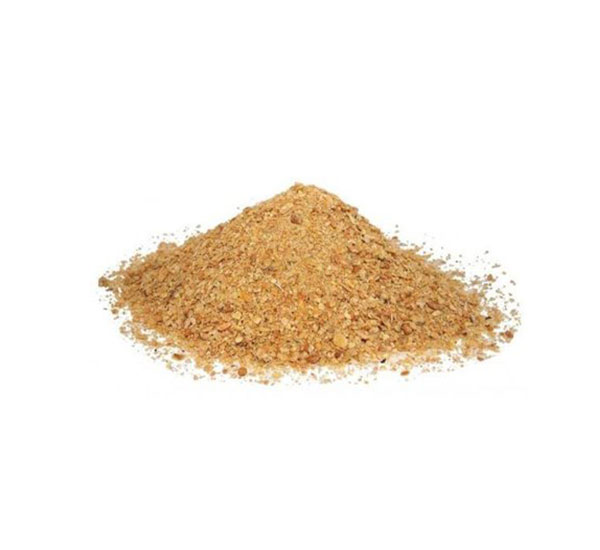
Soybean meal is the most important protein source used to feed farm animals. It represents two-thirds of the total world output of protein feedstuffs, including all other major oil meals and fish meal. Its feeding value is unsurpassed by any other plant protein source and it is the standard to which other protein sources are compared.

Solvent-Extracted Soybean Meal - Process

In the solvent extraction process, soybeans are cracked, heated, flaked and passed through a kind of extruder called an expander. The expander produce a porous pellet with increased cell rupture and greater density. This makes oil extraction by solvent easier (usually hexane). The use of the expander reduces the quantity of solvent required. The extraction is done by percolation of solvent through a bed of flakes (expanded or not): the lipid material is solubilised with the solvent, the mixture percolates and is collected separately. The extracted flakes called spent flakes are further dried to eliminate the solvent, then toasted and ground. The soybeans may be dehulled prior to extraction, and the hulls may be added back at the end of the process. If the hulls are not added back, the defatted soybean meal contains 48% crude protein and no more than 1.5% oil. This resulting meal is called high protein meal. The toasting of soybean meal after desolventation increases soybean meal digestibility as it removes urease and trypsin inhibitors.

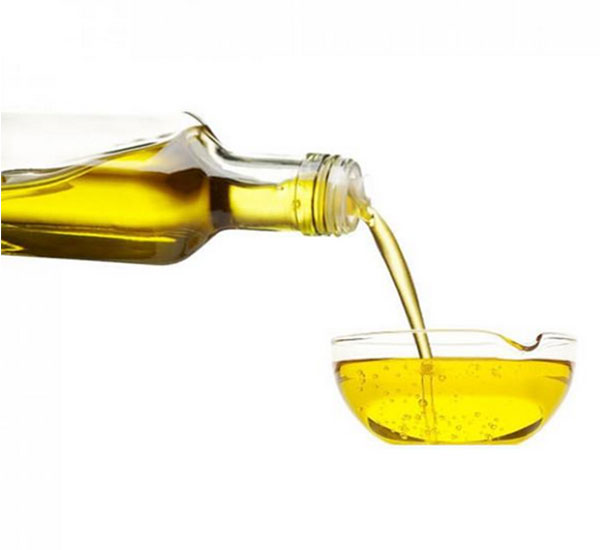
Refined Mustard Oil

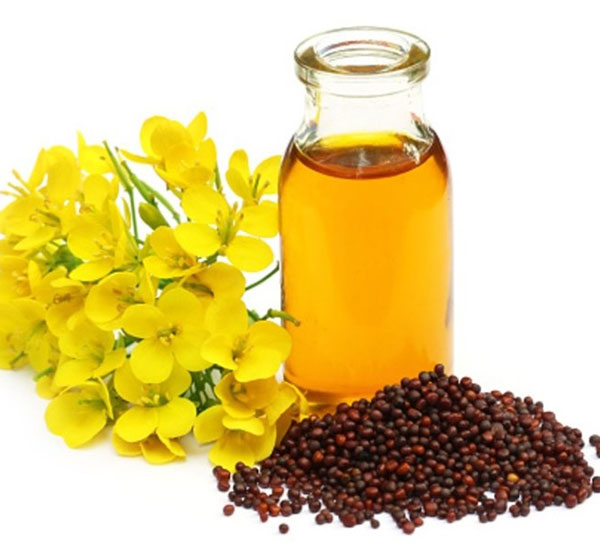
Refined mustard oil contains low saturated fat as compared to other cooking oils. It consists of fatty acid, oleic acid, erucic acid, and linoleic acid. It has antioxidant and cholesterol-reducing properties. After Olive Oil, the MUFA content in Mustard Oil is 66%. It is also loaded with Vitamins. This Oil is nutty in taste but is good for the heart. Our mustard oil contains nutty flavor with delicate pungent, which makes food more delicious. Using best mustard oil keep you and your food healthy and fresh.

Refined Soybean Oil

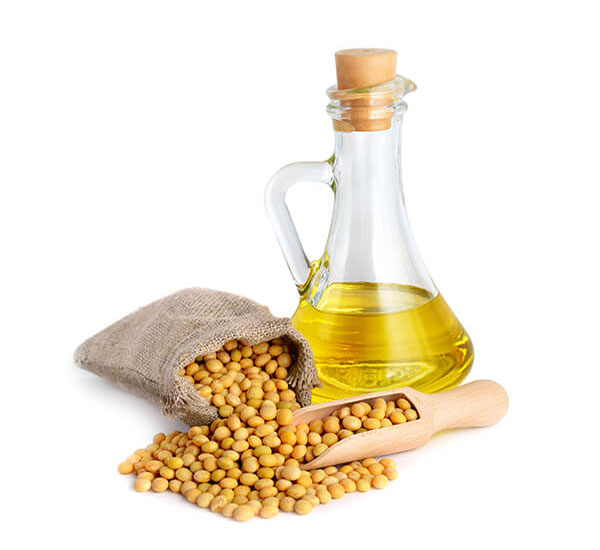
Soybean oil is a vegetable oil extracted from the seeds of the soybean (Glycine max). It is one of the most widely consumed cooking oils and the second most consumed vegetable oil. As a drying oil, processed soybean oil is also used as a base for printing inks (soy ink) and oil paints. Soybean oil is a highly refined oil rich in omega-6 fats, and some studies suggest that its consumption may be associated with several negative health effects. Soybean oil mostly consists of polyunsaturated fatty acids, which are a heart-healthy type of fat that’s associated with several benefits. In fact, studies show that swapping saturated fats for polyunsaturated fats in your diet could be linked to a lower risk for heart disease. Omega-3 fatty acids have been linked to a number of health benefits and play an integral role in heart health, fetal development, brain function, and immunity Soybean oil can often be spotted on the ingredient lists of skin care serums, gels, and lotions — and for good reason.

Process -

To produce soybean oil, the soybeans are cracked, adjusted for moisture content, heated to between 60 and 88 °C (140–190 °F), rolled into flakes, and solvent-extracted with hexanes. The oil is then refined, blended for different applications, and sometimes hydrogenated. Soybean oils, both liquid and partially hydrogenated are sold as "vegetable oil," or are ingredients in a wide variety of processed foods. Most of the remaining residue (soybean meal) is used as animal feed.

Kachi Ghani Mustard Oil

Mustard oil, which is produced from the seeds of the mustard plant, is a common ingredient in Indian cuisine.Kachi Ghani Pure Mustard Oil, traditionally extracted from the first press of mustard seeds, comes with a high pungency level and strong aroma. Being pure, our cooking oil retains its natural properties and mustard oil benefits. Its strong aroma and pungency will spice up your cooking..

Ayurveda highly recommends Kachi Ghani Oil as it is full of monounsaturated fatty acids. Our body needs oil in the ratio of 3:1 – three parts of polyunsaturated fatty acids and one part of saturated fatty acids. Monounsaturated fatty acids (MUFA) come under polyunsaturated. In addition, Cold Pressed Mustard Oil is full of MUFA which is very essential for our health. It’s good for the heart, lightens skin, helps in hair growth, prevents premature graying of hair, etc

Benefits -

Block microbial growth - Some studies have found that mustard essential oil possesses powerful antimicrobial properties and may help block the growth of certain types of harmful bacteria.

Promote skin and hair health - Pure mustard oil is often applied topically to help optimize hair and skin health.

Alleviate pain - Mustard oil contains allyl isothiocyanate, a chemical compound that has been well studied for its effect on pain receptors in the body

Support heart health - Mustard oil is high in monounsaturated fatty acids, a type of unsaturated fat found in foods like nuts, seeds, and plant-based oils.

Slow cancer cell growth - Promising research suggests that mustard oil may help slow the growth and spread of certain types of cancer cells.